Cob Cottage at Laikipia Permaculture Center, Kenya
In January of 2015, several years of apprenticing and practicing earthen construction culminated in an incredible opportunity to make a return trip to Kenya with two of my dear friends and mentors, master permaculture designer and teacher Warren Brush and master earthen builder Sasha Rabin of Earthen Shelter. I had traveled to Kenya with Warren the year prior to document and assist a Permaculture Design Course for International Development, and a substantial amount of interest among our Kenyan friends and colleagues provided the inspiration to return to the country with Sasha in order to offer a natural workshop at Laikipia Permaculture Center (as well as to assist with a Permaculture Teacher Training course in Nairobi).
The course was organized by Permaculture Research Institute Kenya and we were graciously hosted by a good friend and the director of Laikipia Permaculture Center (LPC), Joseph Lentunyoi. Joseph is a fascinating character, a visionary Masai leaderbehind a long list of agricultural initiatives to bring greater resilience, livelihoods and food security, and ecological integrity to his historically pastoral community.
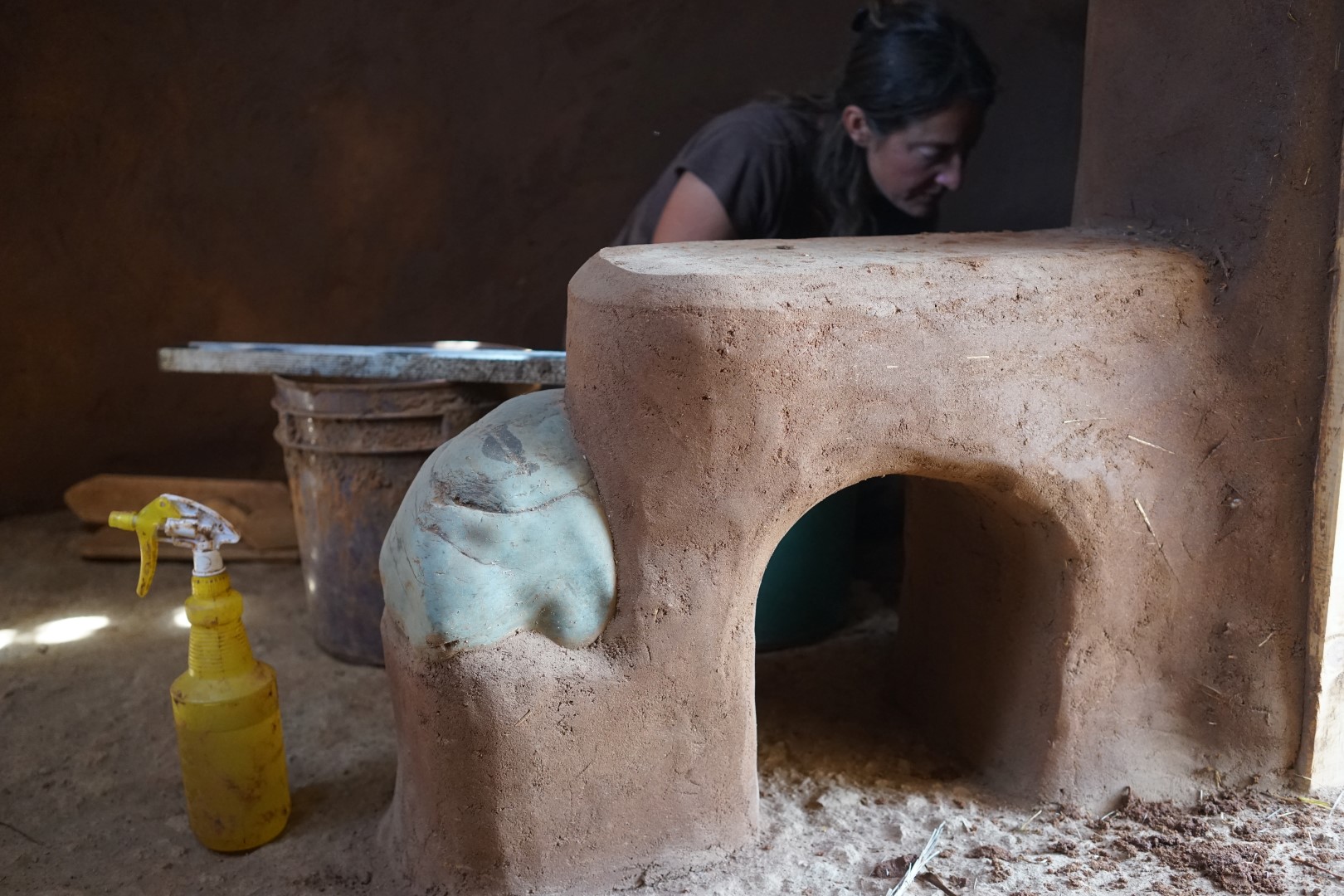
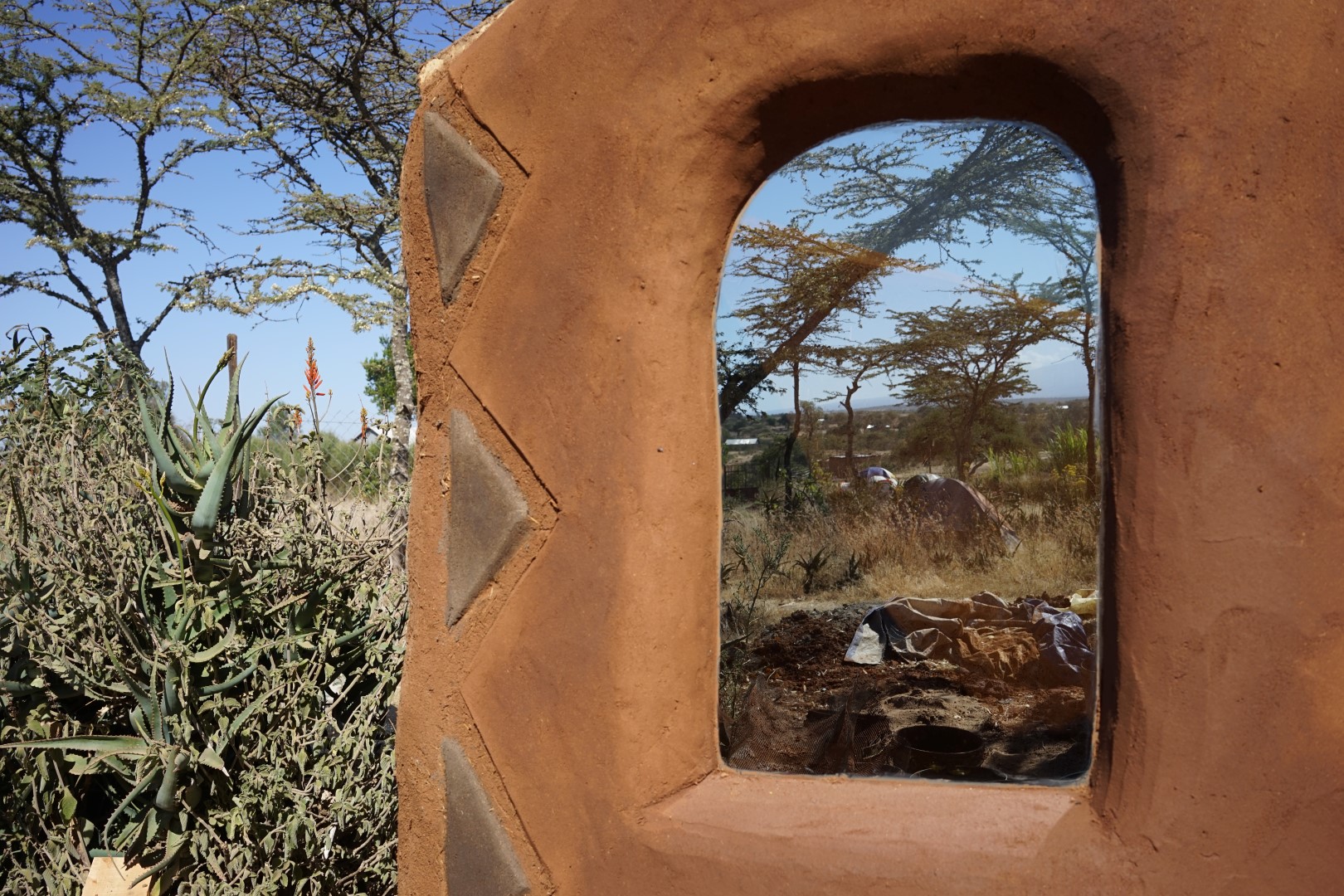
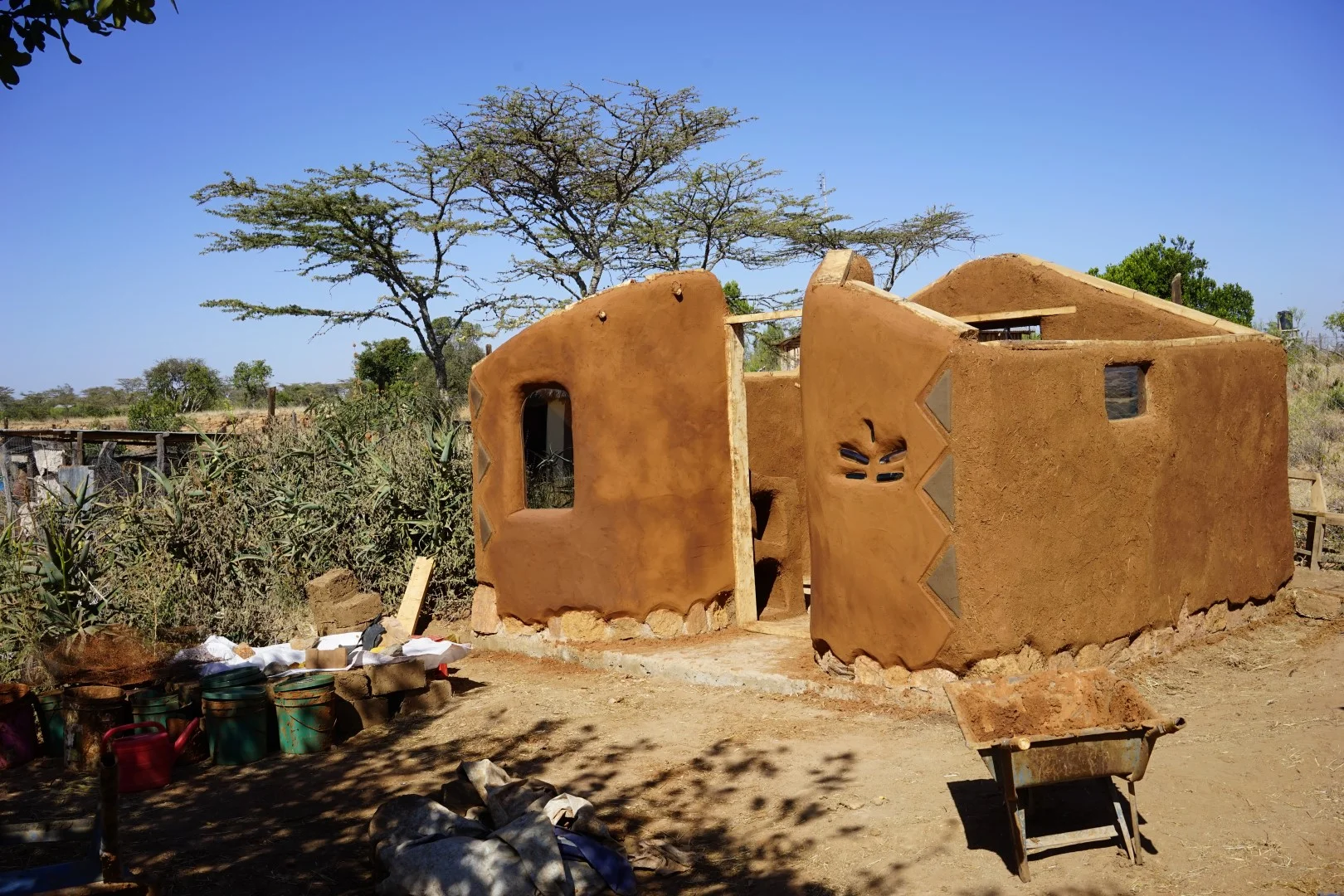
The course itself was an introduction to cob building and engaged a group of around twenty students in building a guest cottage on site at LPC from start to finish in about ten days. Once on site I worked with a few co-leaders and friends to prepare the site by adding a small course of foundation stones to the provided concrete pad, pre mixing batches of cob, and assembling simple frames and mass producing adobe bricks. Given the short time span of the course, the intention was to create a stockpile of bricks that could be combined with cob construction in order to achieve necessary wall height quickly.
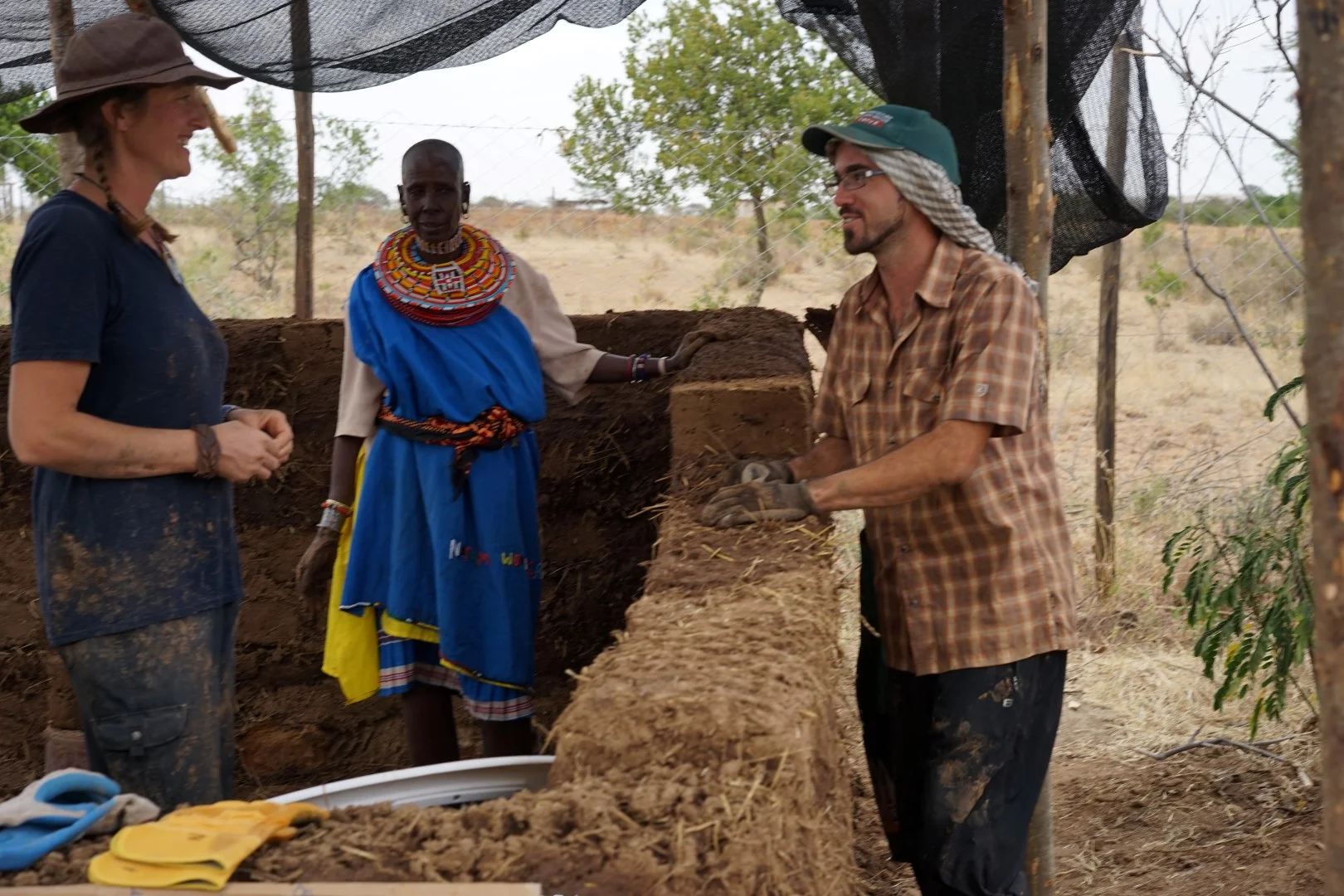
The cohort of participants was made up of native Kenyan permaculture and international development practitioners, members of the local Laikipia community, and expats from around the world. Kenya, and the Masai in particular have a rich and ancient vernacular earthen building tradition and it was a key intention of the course to incorporate and collaborate with keepers of those native traditions and indeed for us to learn from that body of wisdom while offering instruction in our own practices. To this end, an incredible highlight of the experience was the inclusion of several Masai grandmothers who came down from their home in the high mountains nearby to participate and to share with us their own earthen building practices. We were also able to incorporate traditional build elements such as thatch roofing that are simply no longer present in modern developed economies and incredible to see in practice.
The status quo for a ‘Puka’ (desirable) house in rural Kenya is a structure made of concrete blocks and corrugated roof panels. These construction methods are expensive, environmentally unfit (non insulative, cooks in hot weather), seismically unsafe and reliant on the same extractive and unsustainable supply chains that urban construction in the developed West utilize to the detriment of our ecology. As such, it was a pleasure and an honor to work collaboratively in exploring how environmentally intelligent and economically superior structures could be purpose built using locally available materials and communal labor.